The History of Hand-Painted Art: From Ancient Walls to Wearable Masterpieces

- Hand-painted art began as storytelling and record-keeping, not just decoration.
- The rise of miniature painting proved that powerful art doesn’t need a large canvas.
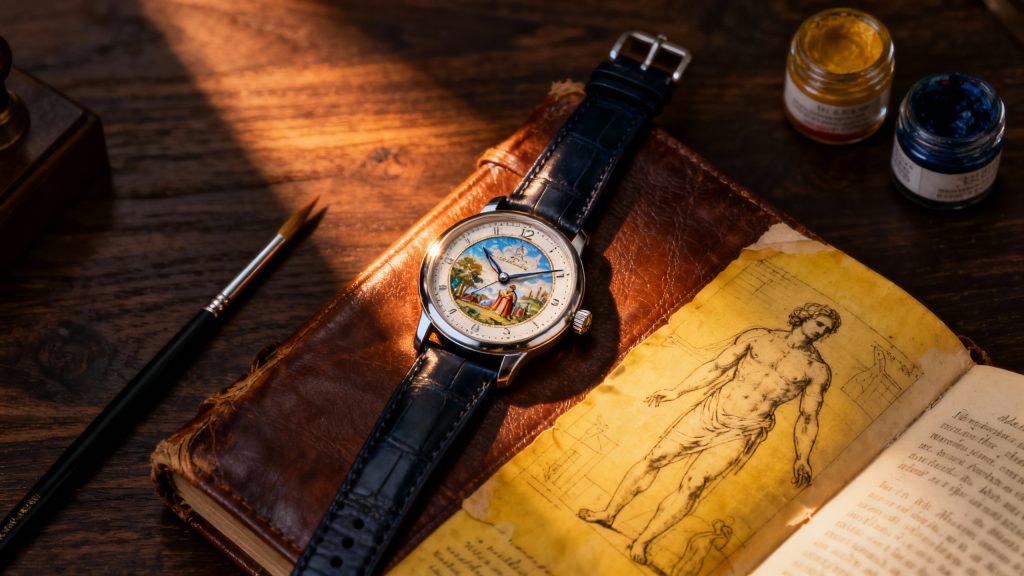
- A hand-painted watch dial continues the same heritage—craft, patience, and meaning—on a wearable surface.
- Commissioning a dial is modern patronage: you’re not buying a product, you’re preserving a tradition.
Long before art lived in galleries, it lived in hands—on stone walls, on paper, on wood, on metal, and on objects people carried every day. Hand-painted art has always been more than decoration; it’s how civilizations recorded identity, devotion, victory, and beauty.
Today, that same tradition is returning to something deeply personal: what people wear. A hand-painted dial isn’t just a watch face—it’s a miniature canvas that moves with you, day after day.
The Origins: When Art Was Survival
The earliest hand-painted works weren’t created for trends or “aesthetic.” They were created to remember hunts, mark territories, honor beliefs, and pass knowledge to the next generation. These early paintings were functional, emotional, and communal—art as a living language.
As societies evolved, hand-painting moved from caves to crafted surfaces: pottery, textiles, manuscripts, religious icons, and palace murals. Each era didn’t replace the last—it added new tools, new materials, and new ways to express the same human urge: to leave something behind that feels eternal.
The Dial Story Presents
Wearable Art Exclusively Yours
Join the COLLECTOR List for 10% Off Your First Masterpiece
- Hand-Painted Dials
- NFC Story Integration
- 1-of-1 Designs
Every watch tells a story Be the first to access new hand-painted drops limited editions and behind-the-scenes artist content before the public
Collector's privilege: Priority access to new drops. Unsubscribe anytime.
The Renaissance Shift: Skill Becomes Legacy
Over time, hand-painting became a discipline measured by mastery—control, proportion, realism, symbolism, and storytelling. The Renaissance period elevated the artist from “craftsperson” to cultural force, but the heart of hand-painted art remained the same: the mark of a human hand.
Even when machines arrived, hand-painted art never disappeared. It became rarer—and because of that, more valuable. The fewer hands that can truly do it, the more meaningful it becomes when someone chooses it.
The Golden Age of Miniature Painting: Proof That Small Can Be Iconic
One of the most fascinating chapters in hand-painted art is miniature painting—where artists condensed detail, emotion, and narrative into incredibly small spaces. These works demanded extreme discipline: steady hands, fine brushes, layered color, and patience measured in hours—sometimes days—per tiny area.
Miniature painting matters because it proves something timeless: scale doesn’t determine impact. A small surface can hold a big story if the artist knows how to build depth, contrast, and soul.
And that philosophy is exactly why hand-painted watch dials feel so special today.
Why a Watch Dial is the Ultimate Modern Canvas
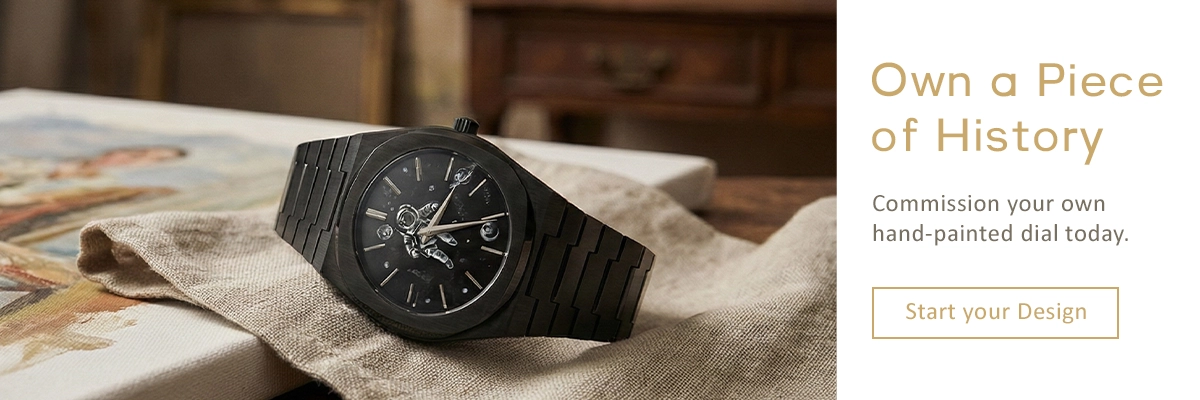
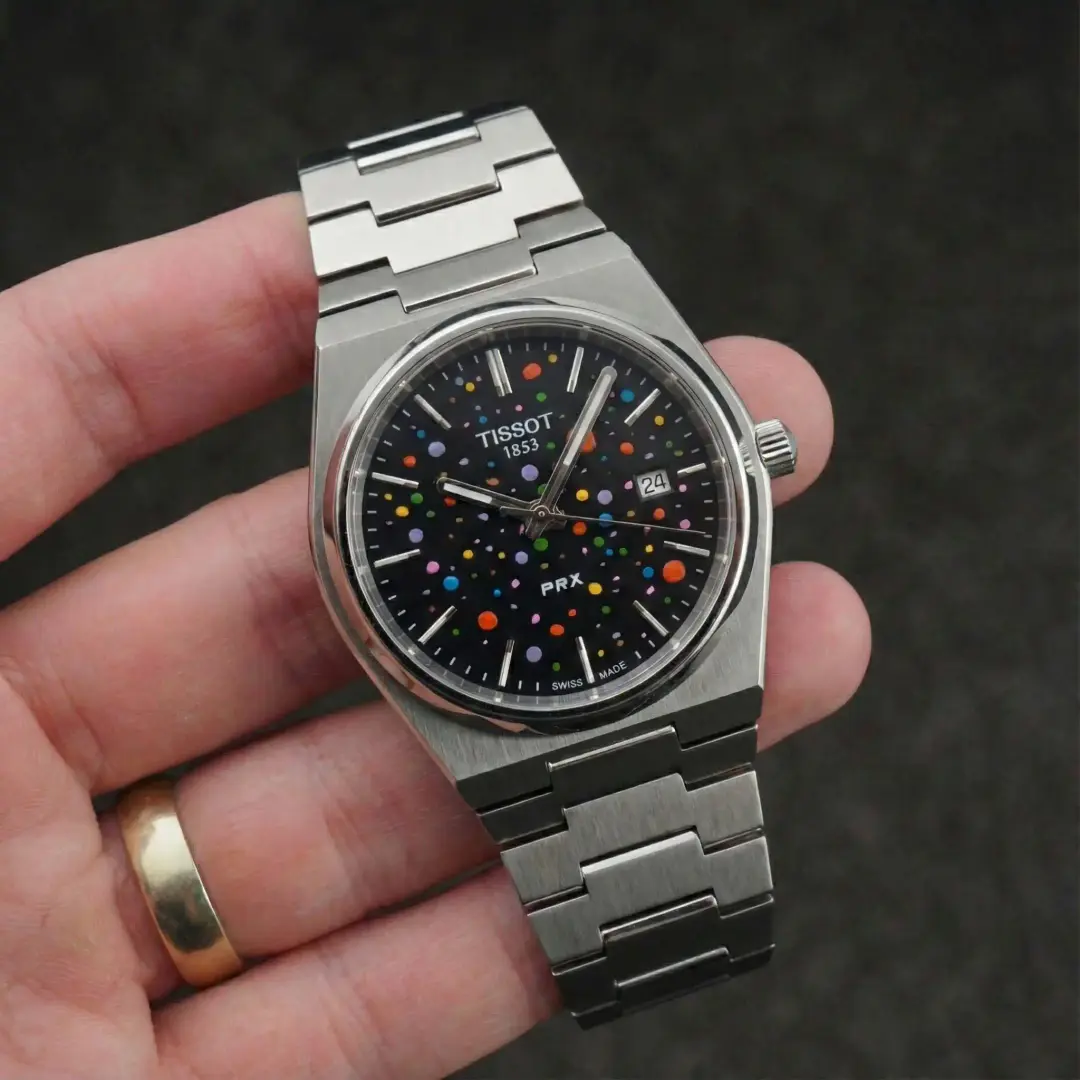
A dial is one of the most challenging surfaces to paint—because it’s small, curved, reflective, and unforgiving. Every stroke needs intention. Every layer must sit perfectly. Every detail must survive real life: light, movement, time.
But that challenge is also what makes it powerful.
A hand-painted dial is art that doesn’t stay still. It catches light differently every hour. It becomes part of someone’s daily rituals. And unlike a print or mass-produced design, it carries the quiet signature of the human hand—minute imperfections that prove authenticity.
A hand-painted piece isn’t just owned—it’s inherited. Because time doesn’t only pass; it gathers meaning.
Modern Patronage: Commissioning Art (Not Just Buying a Watch)
Historically, art survived because someone funded it—patrons, collectors, communities. Commissioning a hand-painted dial is a modern form of that same act. It keeps a rare craft alive, and it turns a personal idea into something tangible.
Whether the inspiration is an anime tribute, a Formula 1 moment, an abstract memory, or a symbolic animal—your dial becomes a story you can wear, not just a product you can replace.
And in a world of endless mass production, choosing something made slowly is a statement.